Lawn Care Business Equipment Checklist for Beginners
Sunday, October 25, 2026

By James Welcome · Welcome Legacy Academy
Before you shop for a bigger mower, choose the jobs your first setup needs to complete.
For a basic residential mowing service, start by planning for a suitable mower, string trimmer, blower or appropriate cleanup tools, personal protective equipment, maintenance supplies, safe transport, and a phone to manage the work. An edger or other attachment belongs on the list when the services you promise require it.
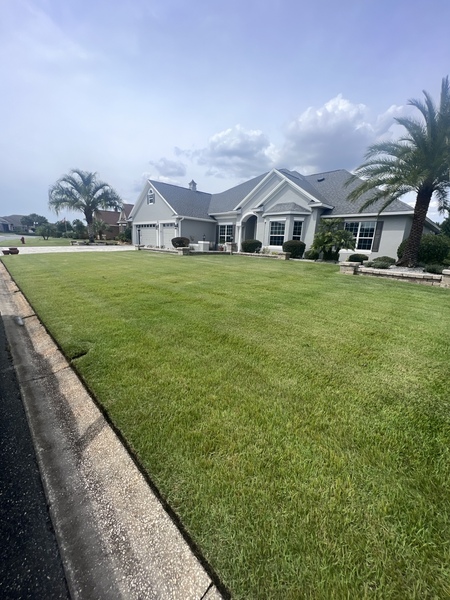
The right setup depends on the lawns you intend to serve. A narrow gate, a long drive between stops, or a mower that needs repairs can change what looks like a simple purchase. Build your list around the work rather than buying everything a larger company owns.
James Welcome started his lawn care business with residential equipment. That experience shapes the approach in the Welcome Legacy startup guide: use a setup that can reliably deliver your initial service, then reconsider equipment as the workload and operating costs become clear.
1. Define your first service before choosing tools
Write down exactly what a customer will receive. A mowing visit might include mowing, trimming, edging where agreed, and clearing clippings from hard surfaces. Hedge work, tree work, chemical applications, and other services can require different equipment, training, insurance, or local permissions.
Choose a manageable service area and property type. Look at gate openings, obstacles, terrain, access, and where equipment can be loaded safely. The machine that suits a large open lawn may be awkward on a small property with restricted access.
Use the equipment manufacturer's instructions and operating limits for the specific machine and conditions. A larger or faster mower does not make every property suitable for it.
2. Build the starter equipment list
| Item | What to work out before buying |
|---|---|
| Mower | Does it fit the lawns, access points, terrain, and workload you intend to accept? |
| String trimmer | Can it finish the edges and obstacles included in your service? Plan for the correct line, head, and guards. |
| Blower or cleanup tools | How will you leave paths, driveways, and work areas tidy within the agreed scope? |
| Edger or attachment | Is edging part of the offer, and can your chosen setup produce the finish you promise? |
| Personal protective equipment | Include suitable eye and hearing protection, footwear, gloves, and any other protection required for the task and equipment. |
| Fuel or charging supplies | Match fuel, oil, containers, batteries, and chargers to the exact equipment instructions. |
| Maintenance supplies | Plan for the appropriate line, filters, oil, blades, small parts, and hand tools. Follow each machine's maintenance schedule. |
| Transport and load securing | Check capacity, loading, and securing arrangements for the equipment you will actually carry. |
| Phone and business records | Keep a workable process for calls, directions, photos, estimates, invoices, and customer communication. |
A tool is not optional merely because it does not cut grass. Protective equipment, guards, and a safe way to move equipment belong in the starting plan.
3. Inventory what you already own
Give every item one of three statuses: ready to work, repair first, or still needed. A mower already in the garage may reduce the shopping list, but only if its condition and capabilities fit the jobs you plan to sell.
Try the complete setup before promising a schedule. Include loading, travel, unloading, the service itself, cleanup, and putting equipment away. Check that the tools work together and that you can carry the supplies needed for the day.
Keep a short inventory with the model, condition, maintenance needs, and parts information for each machine. This makes repair decisions and supply shopping more deliberate.
4. Compare new and used equipment by total readiness
A used machine can make sense when you can assess its condition and allow for repairs. A new machine can make sense when its warranty, support, and readiness fit your workload and budget. Neither label guarantees that it is the right purchase.
For a used mower, ask about maintenance history and inspect its condition before deciding. The Welcome Legacy equipment checklist prompts students to consider cold starting, leaks, unusual noise or vibration, cutting components, belts, tires, controls, and drive performance. Use a qualified mechanic when you cannot assess a machine yourself, and follow safe inspection procedures.
Get a repair estimate before treating a low asking price as a bargain. Also check parts availability, service support, and how downtime would affect the jobs you have accepted.
5. Plan transport, protection, and maintenance together
Make sure the vehicle or trailer is appropriate for the planned load and that equipment can be secured correctly. Follow the relevant vehicle, trailer, equipment, and load-securing instructions. Check the applicable local requirements for your setup.
Do not remove or defeat guards and other safety features to make a job faster. OSHA's riding-mower safety guidance is a useful starting resource alongside the manufacturer's instructions and any training required for your work.
Prepare a repeatable pre-work check and a maintenance calendar based on the exact manuals. Keep the correct consumables available, and plan how a repair would affect the next scheduled visit. This article is a purchasing and planning checklist, not a substitute for equipment training.
6. Separate essential purchases from later upgrades
Ask what problem an upgrade solves. Does it enable a service customers actually want, handle a workload the current setup cannot support, or reduce a recurring bottleneck? Write down the reason before comparing machines.
Specialty tools may belong later if you are not offering the work they perform. When you add a service, include its equipment, training, safety, maintenance, and other requirements before accepting it.
Use current quotes for purchases, repairs, transport, and supplies. Keep startup spending separate from the costs that continue after the first job. The lawn care startup-cost guide shows how to build a budget from your own figures. The SBA's business-planning resources can also help you organize startup expenses.
Your equipment plan before the first paid job
For each required item, fill in: what I own → what condition it is in → what action is needed → the current quote → when it must be ready.
Then check three things:
- The setup can complete every part of the service you intend to sell.
- Transport, protection, maintenance, and likely interruptions are included in the plan.
- Each purchase has a clear purpose in the work you intend to perform.
You do not need to buy a larger company's entire setup to plan your first service. You do need to know what your own setup can safely and reliably do.
Common beginner questions
Do I need a zero-turn mower to start?
Choose the mower for the properties and workload you intend to serve. A zero-turn is not a universal starting requirement. Access, terrain, condition, safe operating limits, transport, and your service scope should guide the decision.
Can I start with one mower?
One mower may fit a small initial service plan, provided it is suitable and reliable. Include a realistic response to downtime before committing to customers. Review the setup as your workload changes.
Should I choose battery or gas equipment?
Compare the actual workday, available charging or fuel arrangements, manufacturer requirements, runtime, service support, and total cost for the models under consideration. There is no single answer for every route.
Put the checklist to work
Get the free Lawn Care Startup Guide for equipment, pricing, first-customer, and route-planning basics. You can also watch the free 4:53 course preview.
For the complete training, explore How to Start a Lawncare Business — The Welcome Legacy System: 7 sections, 8 video lessons, and downloadable PDFs for a $47 one-time payment.
Educational content. Adapt the plan to your equipment, service area, costs, and local requirements. Business results vary.